

 By Laura Ranieri Roy
They say they like those who burn bright and alive with powerful but short lives Blue giants—bright, burning hot stars Which sets the sky ablaze, yet collapses under its own weight much faster than the lesser stars. Many of us have known extraordinary individuals like this: radiant with energy, strength, charisma – and then suddenly gone.
I remember an early boyfriend, Michael Chorney, who died in his twenties. Brilliant, full of promise, and taken too soon. Forgive me for speaking the name – Egyptians feel that speaking the name is to give life.
In 2025, another such bright flame was extinguished: Charlie Kirkthe young conservative Christian activist who built a broad campus movement through open dialogue and bold engagement, was murdered at just 31 years old. Whether or not he agreed with his politics, his achievements were remarkable, the immensity of grief and his vibrant life a reminder of the power of youthful perspective.
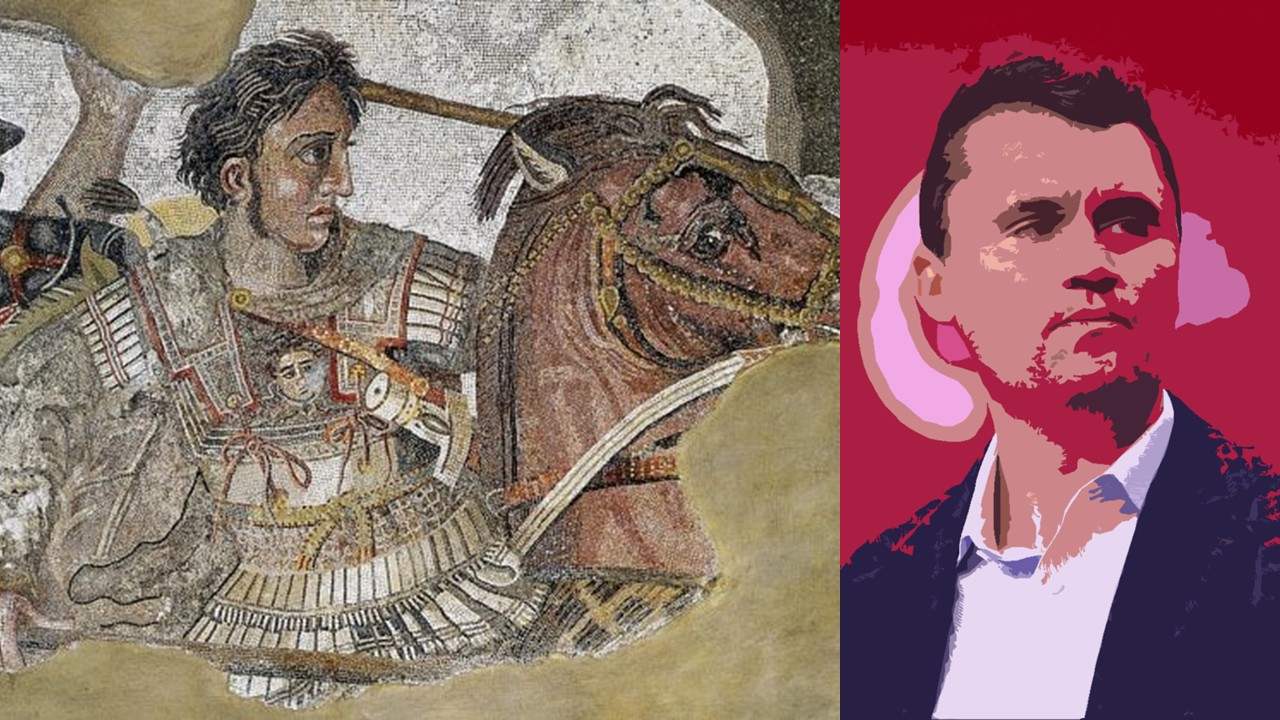
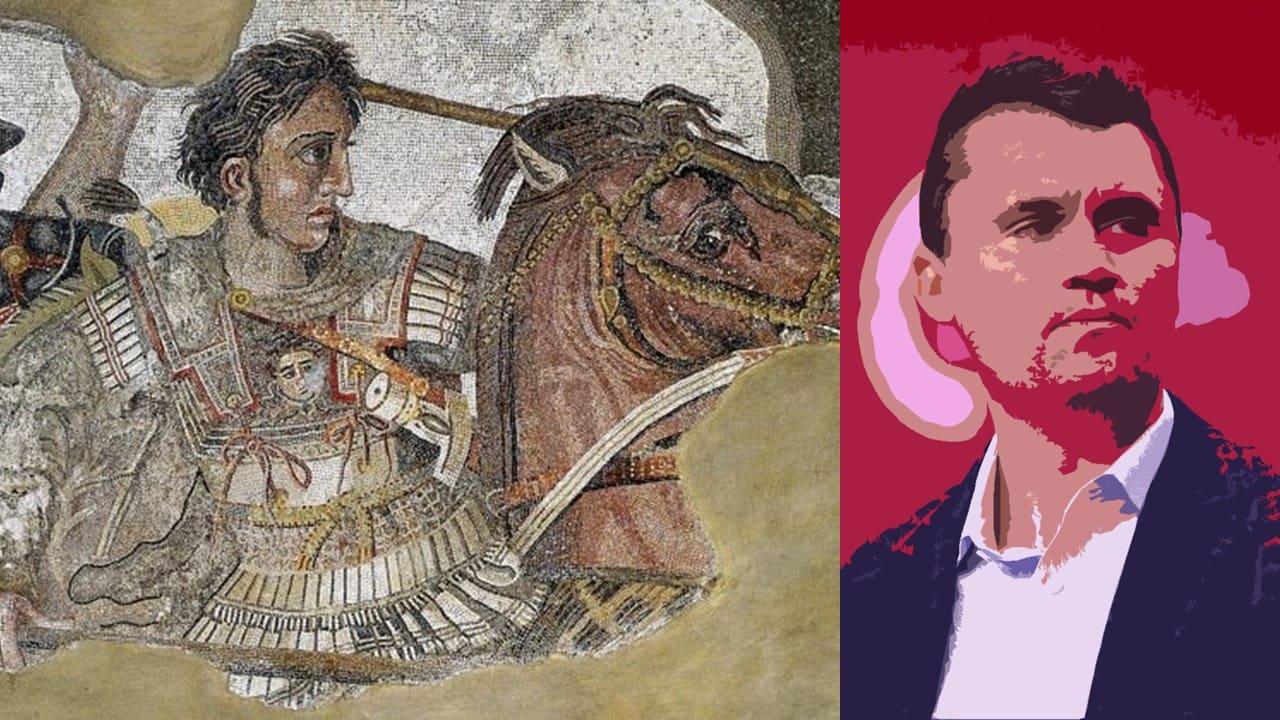
Even in the ancient world, it had a flashy, short-lived boost. Perhaps the biggest example is Alexander the Greatwho died in Babylon at the age of 32 after achieving most of the known world. As I prepare a lecture on his great city of Alexandria, I have occasion to reflect on his amazingly short life and massive achievements.
Alexander’s Vision: More Than a Conqueror
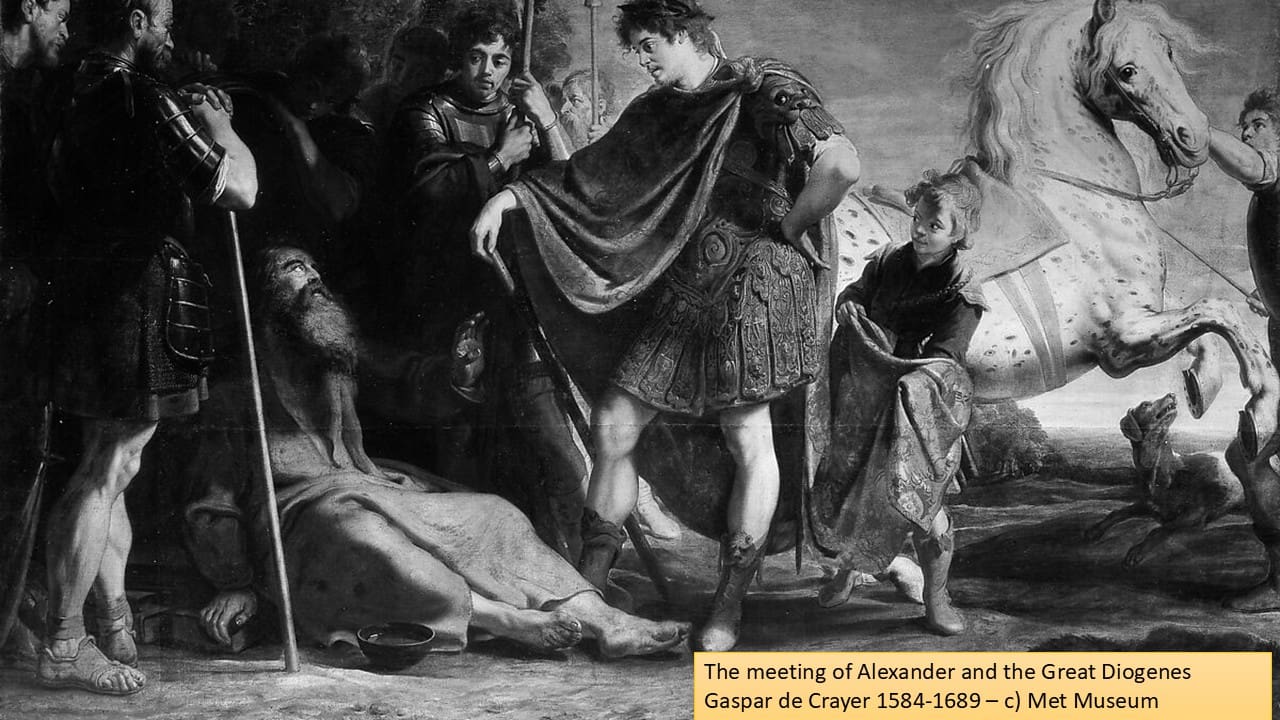
Alexander was not only one of the most brilliant and daring military strategists in history, but he was also a daring idealist. Much more than a warrior, Alexander was one Nation Builder, Legislator, Architect, Philosopher, and Visionary which introduced a radical new idea: that the world could be united under one law, one kingdom, and ultimately lasting peace.
He spread the Greek language and Hellenistic culture all the way to the borders of India. This fusion of Greek and Eastern traditions created the conditions that, centuries later, would allow Christianity spread across a common cultural and linguistic base. And he founded cities—above all, Alexandria in Egypt – It will become permanent centers of civilization.
Where Kirk dreamed of transforming the university’s culture around faith and dialogue, Alexander dreamed of transforming the then-known world that stretched from Rome to India.
The role of teachers and inspiration
Both men were deeply shaped by mentors and texts. For Alexander, there was a guiding hand Aristotlethe greatest philosopher of the Greek world. From him, Alexander learned science, rhetoric, politics, and dreamed of a heroic life. But it was Homer The Iliad It provided the poetic fire. Alexander modeled himself on Achilles, carrying an annotated copy of Homer’s verses with him everywhere he slept under his pillow.
For Charlie Kirk, Lodestar was different but no less formative. His mentor Bill Montgomery, a retired businessman, convinced him to pursue the act full-time at the age of 18. And while Alexander devoured Homer, Kirk immersed himself in the Bible and America’s founding documents.
Alexandria: A City of Destiny
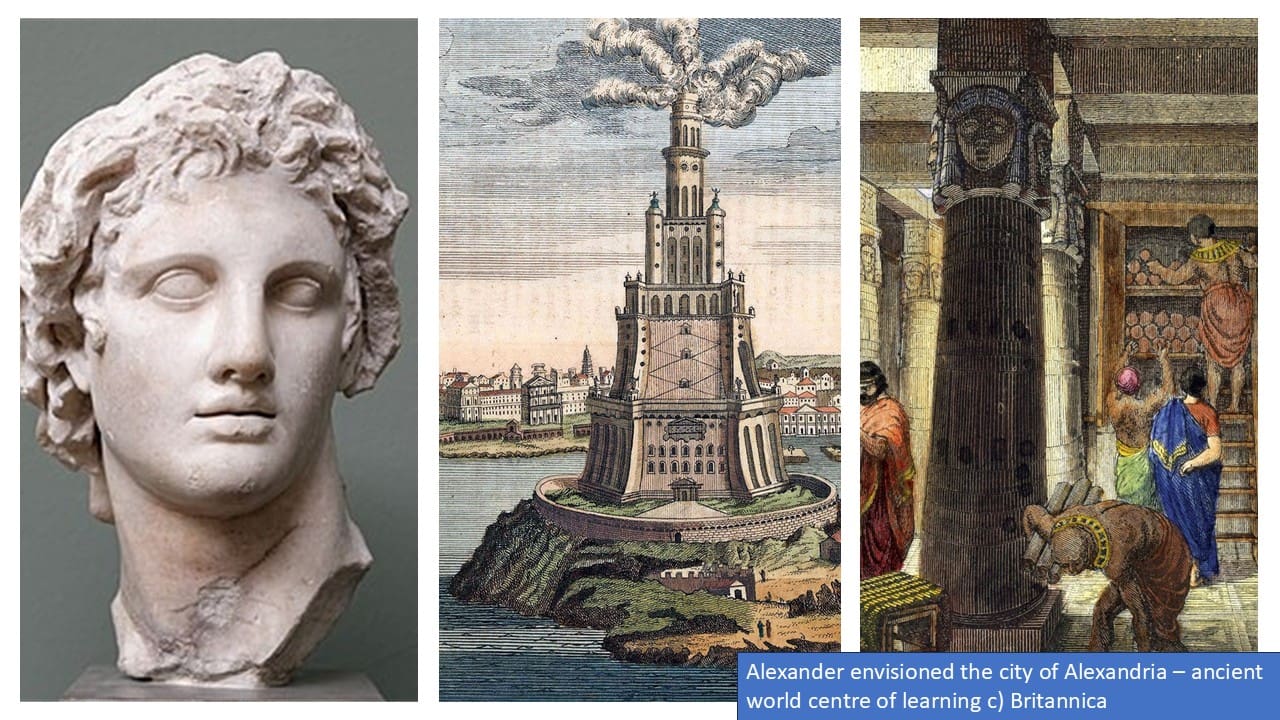
One of Alexander’s most enduring legacies was his founding Alexandria in Egypt In 331 BC. Ancient writers tell us that in a dream, Homer himself appeared to Alexander, reciting a verse about “an island in the middle of the sea, off the coast of Egypt” ((The IliadBook 4). Taking this as a divine symbol, Alexander laid out plans for a city that would become a beacon for centuries.
This young man boldly imagined:
- a City of knowledgelater home to a great library and museum, rivaling Athens as the intellectual capital of the world.
- a Confluence of culturewhere Greek, Egyptian and Oriental traditions met.
- a Remain a monument to his visionmore lasting than any battlefield victory.
Sadly, although he laid the foundation, Alexander would never return to build the great city. He was only in Egypt from late 332 to the spring of 331 – less than a year! And he was dead less than a decade later.
Respect for different cultures
When he arrived in Egypt, Alexander was welcomed as a welcomer. The Persians, who conquered the country in 525 BC under Cambyses II, treated their religion with contempt. Ancient accounts tell of Cambyses mocking the sacred APIS bull, even driving it to death.
In contrast, Alexander paid his respects to the APIS bill in Memphis and then did a job A 700 km pilgrimage across the desert To the Oracle of Amun at Siwa Oasis. The journey – about a month on foot – was as difficult as it was symbolic. In the Siva, Alexander is described as the son of Amun. Whether he really believed it is uncertain, but politically he used divine recognition brilliantly. His charisma, bolstered by shrewd public relations, propelled him as he set out to conquer the rest of the known world. Although a fervent Christian, Kirk also respected and acknowledged other cultures and religions. It was definitely a unique quality of both men.
 A short life, a long lasting flame
Charlie Kirk was no Alexander. He neither found a city nor founded an empire extending from Greece to India. But like Alexander, he was a young idealist who lived boldly, pursued his vision with unbridled energy, and gave birth to a movement far larger than himself.
By the time of his death, his flagship had grown to thousands of chapters across North America, with affiliates overseas and annual fundraising in the tens of millions. His talks and tours became touchstones for a generation of students seeking identity and purpose. In the wake of her murder, the continued outpouring of support has revealed just how far her influence has spread — and how much her voice matters.
Death and legacy
Kirk and Alexander both died at the height of their power, their lives cut short.
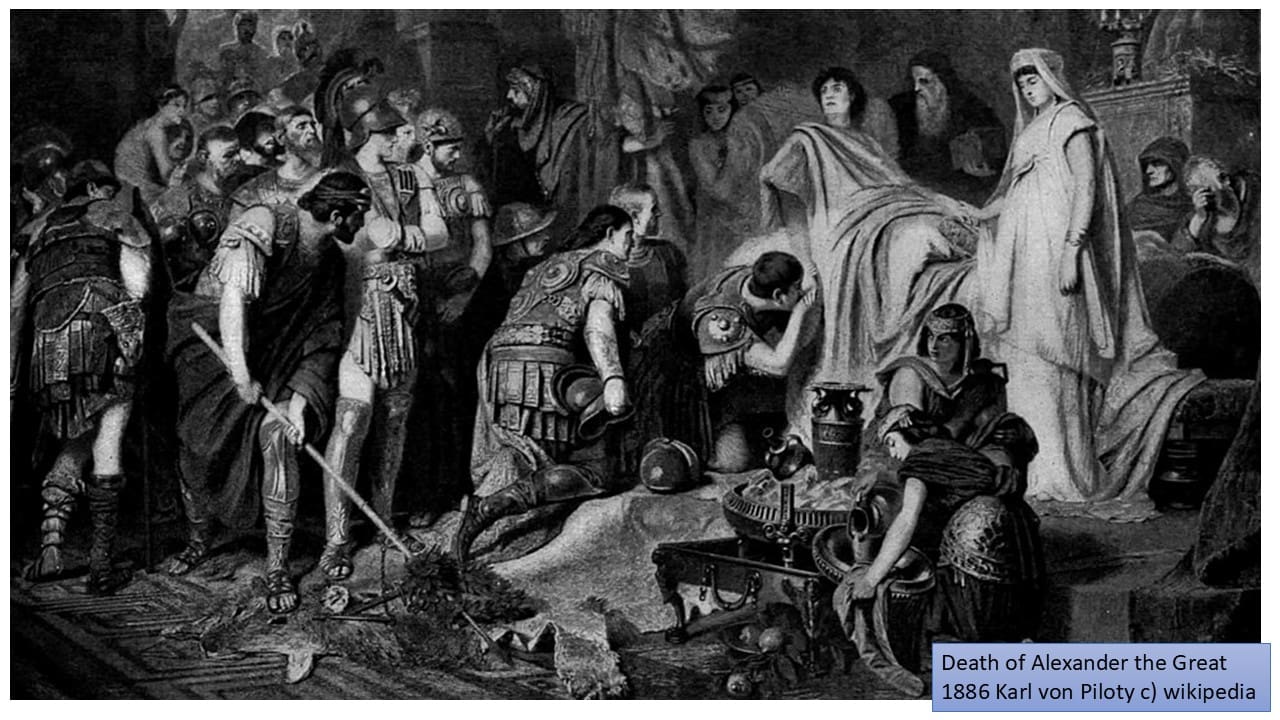
Alexander’s death in 323 BC remains debated. Was he killed by powerful enemies who did not share his worldview? Some say yes – and it was by poison. Others say malaria, typhoid, or complications from alcoholism and many battle wounds. His body, even after death, was surprisingly preserved, deepening the mystery. Even his burial became legend, his coffin carried on the way to Macedonia and returned to Egypt by his general Ptolemy. Over the centuries his tomb was moved several times and eventually lost.
By contrast, Kirk’s death was no mystery: a brutal mass murder in Utah. Yet it also highlighted the dangers faced by young people who challenge and explore. Both men remind us that bold ideas often provoke fierce resistance, and that those at white heat burn longer.
We have time
Alexander is one of history’s great military heroes and who knows how Kirk’s influence (controversial to some) might go down in the history books. What these young men shared, however, was not the measure of their achievements—one recreated the ancient world, the other ignited a modern movement—but intensity with whom he lived. They remind us that greatness is measured not only in years, but in clarity of vision and boldness of action.
I am reminded of Gandalf’s words in Frodo Lord of the Circle Who deplores the darkness and heavy burden of color of his age:
“So all who live to see such times. But it is not for them to judge.
All we have to do is decide what to do with the time we are given.
Alexander had 32 years. Kirk had 31. Both shone as blue giants, and their legacy continues to resonate. For the rest of us, the challenge is simple: What will we do with the time we are given?
###
Alexandria: Egypt’s Eternal City of Light and Learning – On Tuesday, October 14 at 7pm EDTjoin Egyptologist Laura Ranieri Roy for an illuminating online lecture on the city founded by Alexander the Great, home to the legendary library, lighthouse, Cleopatra, Hypatia, and more. Register here


