

By Laura Ranieri Roy,
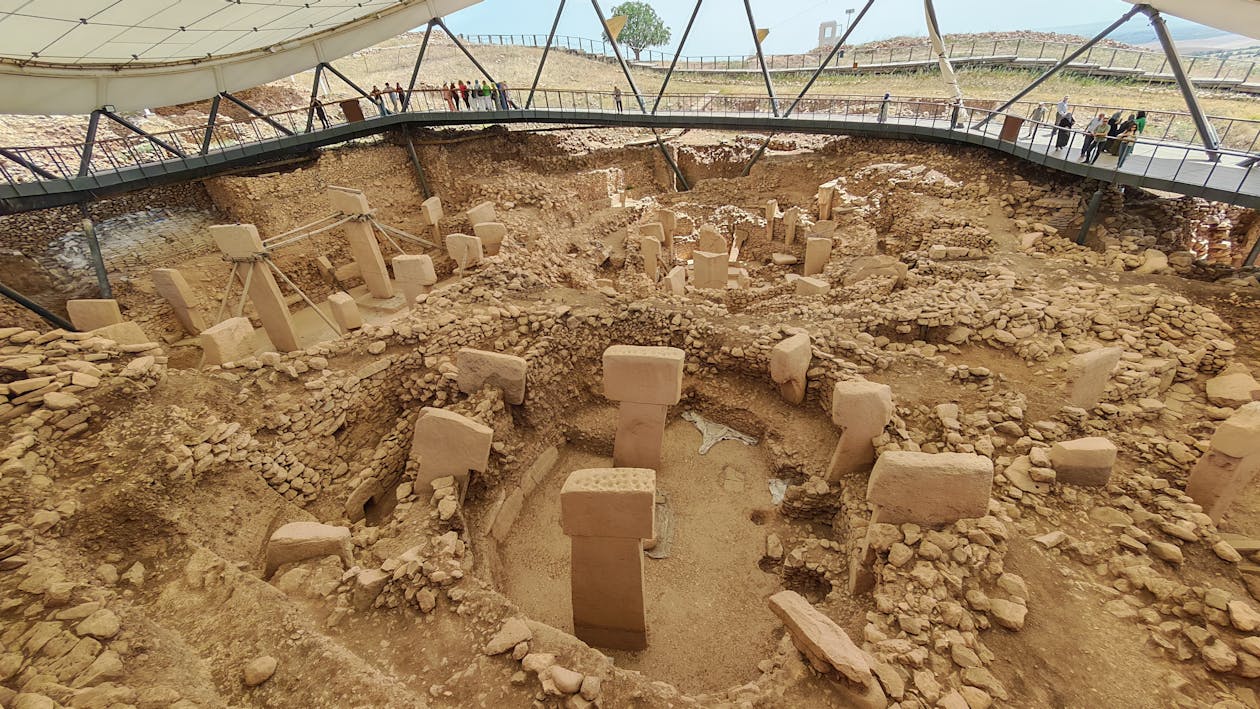
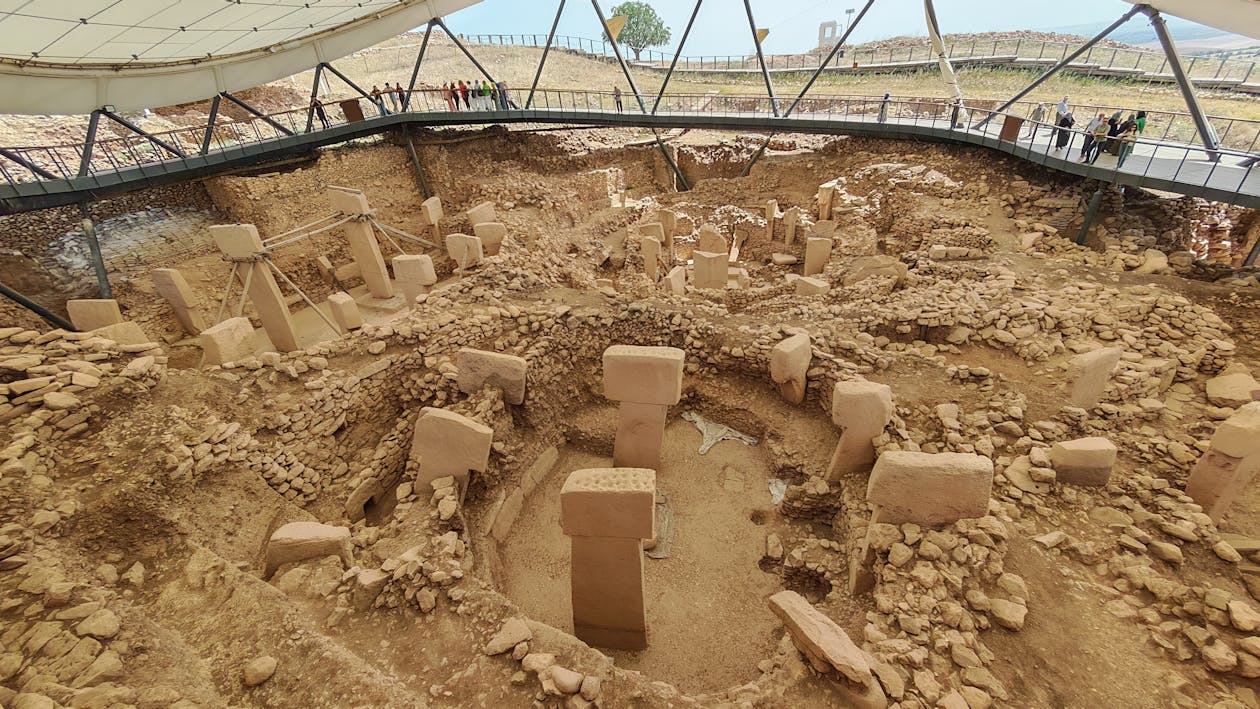
In the 1990s, archaeologists working in the barren hills of southeastern Turkey made a discovery that would lay the foundations for our understanding of the civilization. Near the city of Anlorfa, on a remote limestone plateau, known as Gibakli Tepe (“Putli Hill”), massive T-shaped pillars protrude from the ground. What subsequent excavations revealed, however, was much older and far more mysterious.
Archaeologists have uncovered a vast complex of disputed stone circles, consisting of intricately carved limestone megaliths. These pillars, some towering over 5.5 meters tall and weighing between 10 to 20 tonnes, featured exquisite reliefs of animals—foxes, snakes, boars, birds—as well as abstract symbols and humanoid forms. Radiocarbon dating revealed the site’s astonishing age: at least 11,600 years old, predating Stonehenge by 6,000 years and Egypt’s Great Pyramids by at least 7,000.
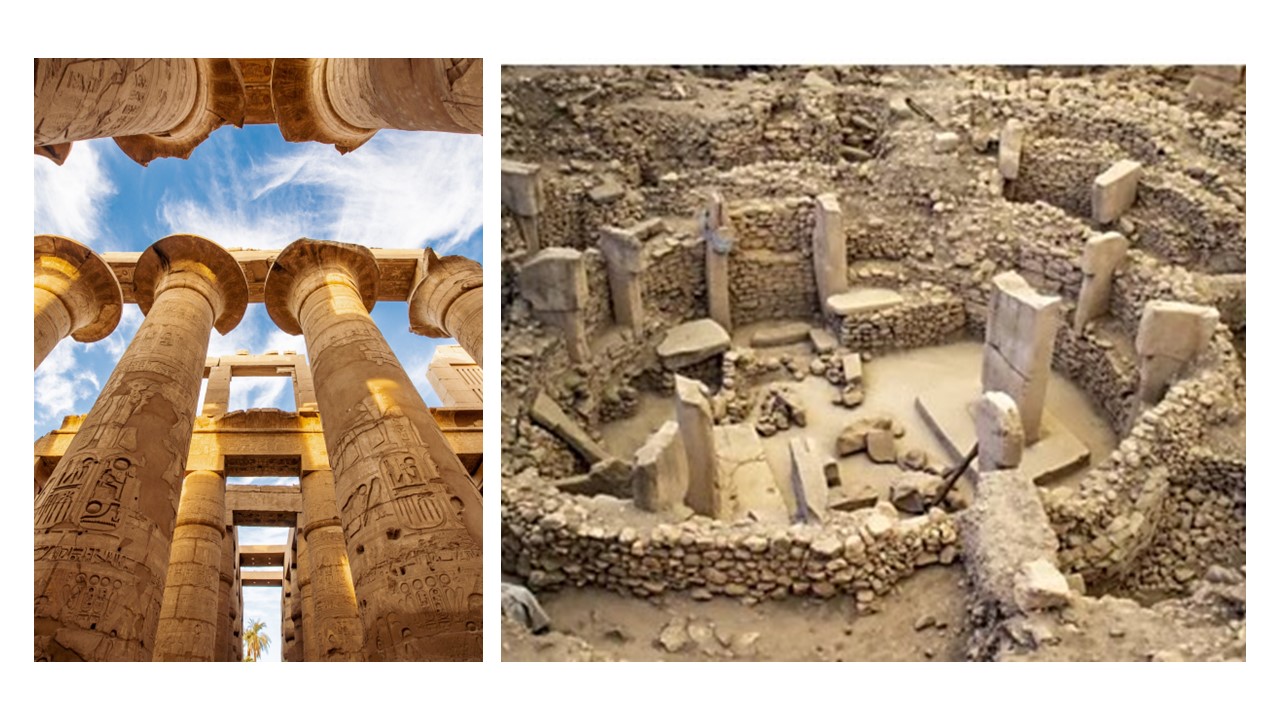
The Gebakli Tepe dates back to the Early Pottery Neolithic period, a time before cities, writing and agriculture. Or was it? It was built with complexity and intent by a society we once believed to be primitive hunter-gatherers. As an Egyptologist, this site fascinates me deeply. Although separated by millennia and geography, Gobkali Tepe and ancient Egypt share striking parallels in architecture, symbolism, and cosmic consciousness. In this article, I explore the links that may connect these two remarkable civilizations through time.
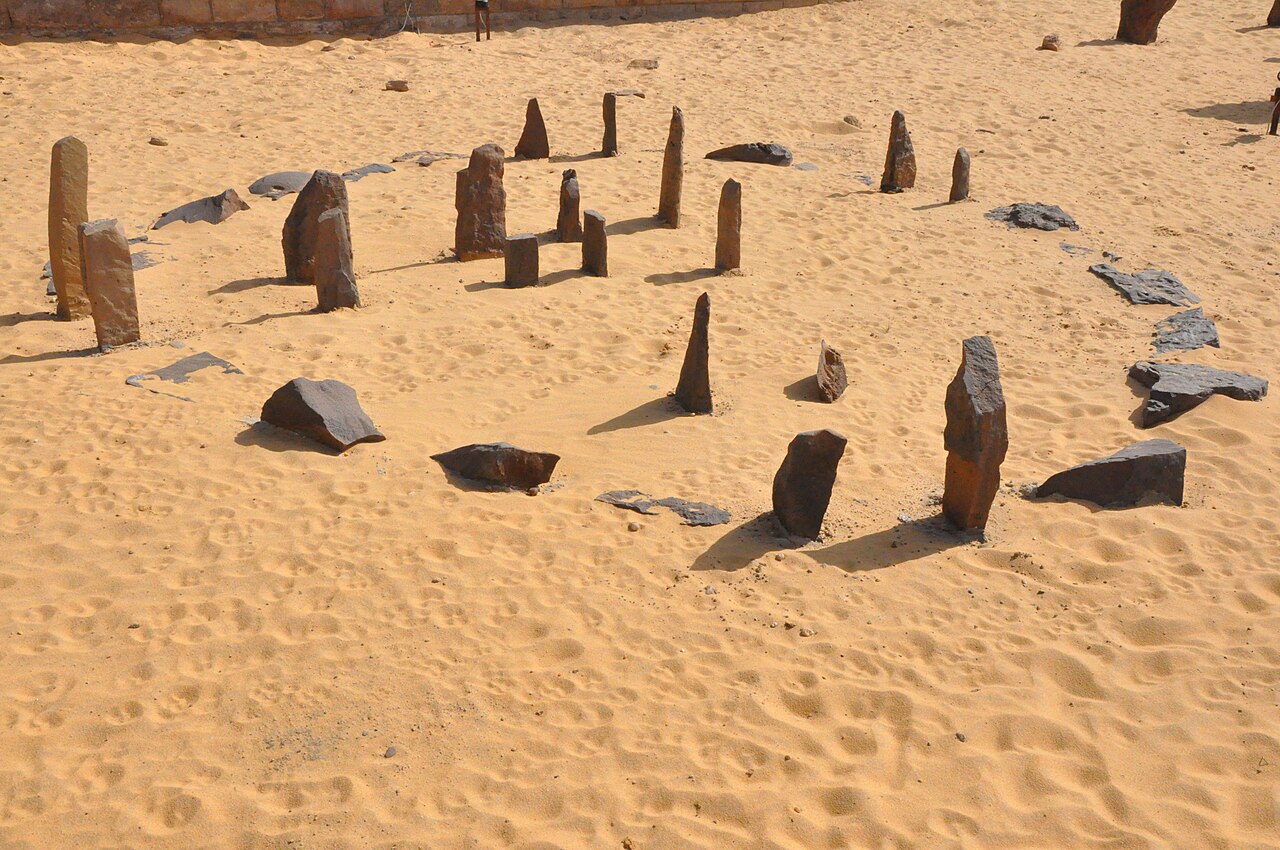
By Rambitz-Own work, CC BY-SA 3.0, https://commons.wikimedia.org/w/index.php?curid=7525976
Nebta Play: The Early Stone Circle of Egypt and Calendar
Before Giza, before the unification of Egypt, a group of nomads in southern Egypt built a stone circle on a remote plain in the Western Desert near the border with Nubia. This is where we call Nebta Play. Between 7000 and 6000 BC, this remarkable site, like Gobekli Tepe, contains a megalithic alignment that possibly served as one of the earliest astronomical calendars in human history. Some stones are associated with the summer sunrise, helping these early people predict the coming season of the Nile flood.
Nabata Playa also appears to have ancient cow burials and large stone carved cows, indicating early cattle cults. This devotion to boysen would later become central to Egyptian mythology, particularly in the form of Hathor, the cow goddess of love and fertility.
The existence of Nebata Playa provides a powerful precursor to the later temples and observatories of Egypt. It also serves as the first point of comparison to the Gobakli Tepe, showing that different cultures in the ancient world were experimenting with megaliths, celestial alignments, and sacred symbolism thousands of years before traditional “civilization” began.
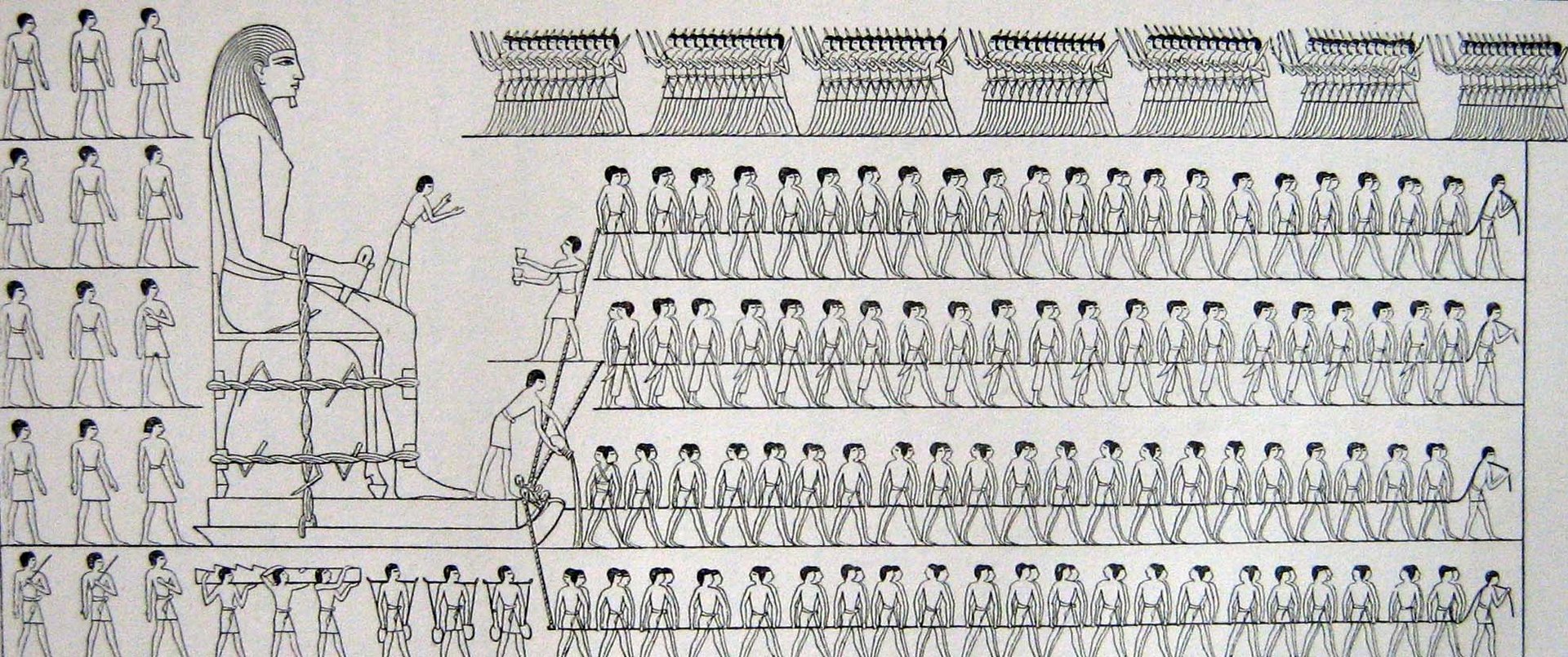
Sir John Gardner Wilkinson, image from Wikipedia
- Monumental construction with ancient tools
How did the builders of the Gobekli Tap accomplish such an architectural feat without metal tools or beasts of burden? Like the ancient Egyptians, they shaped and erected massive stone structures using basic tools, mainly flint tools, antler horns. The limestone pillars, many standing up to two kilometers from the nearest source, were likely moved with ropes made of plant fibers, wooden sledges, and human muscles.
In Egypt, thousands of years later, similar methods were used on a much larger scale. The Great Pyramid of Giza was built with over two million blocks of limestone and granite, moved with sledges, copper tools and dolerite pounders. Egyptologists now know that the workforce consists of well-organized, well-fed Egyptian workers, drawn from across the nation, many of whom see their work as a sacred duty. Did the builders of Gibkali Tap share a similar spiritual motivation, seasonally accumulating, to create sacred space?
- Alignment to the universe
One of the most interesting theories about the Gabkali tape is its alignment of celestial phenomena. Scholars have suggested that these walls are oriented to track the rising of particular stars or constellations. Although the definitive evidence is still debated, the concept of aligning sacred structures with the heavens is one that the ancient Egyptians mastered.
At Giza, the pyramids are famously associated with the cardinal points and may also be associated with the stars in Orion’s belt, associated with Osiris, the god of the afterlife. Temples such as Abu Simbel are based on solar events over the course of a year, with the sun’s rays illuminating the sculptures within the inner sanctum. This cosmic harmony achieved in architecture indicates how the ancients were energized by the movements of the stars and planets in the sky.
Could the Gobekli Tepe represent the beginnings of this worldview? This is a prototype of the sacred astronomy that would have been fully realized in ancient Egypt?
- Animal Symbols and Spiritual Meanings
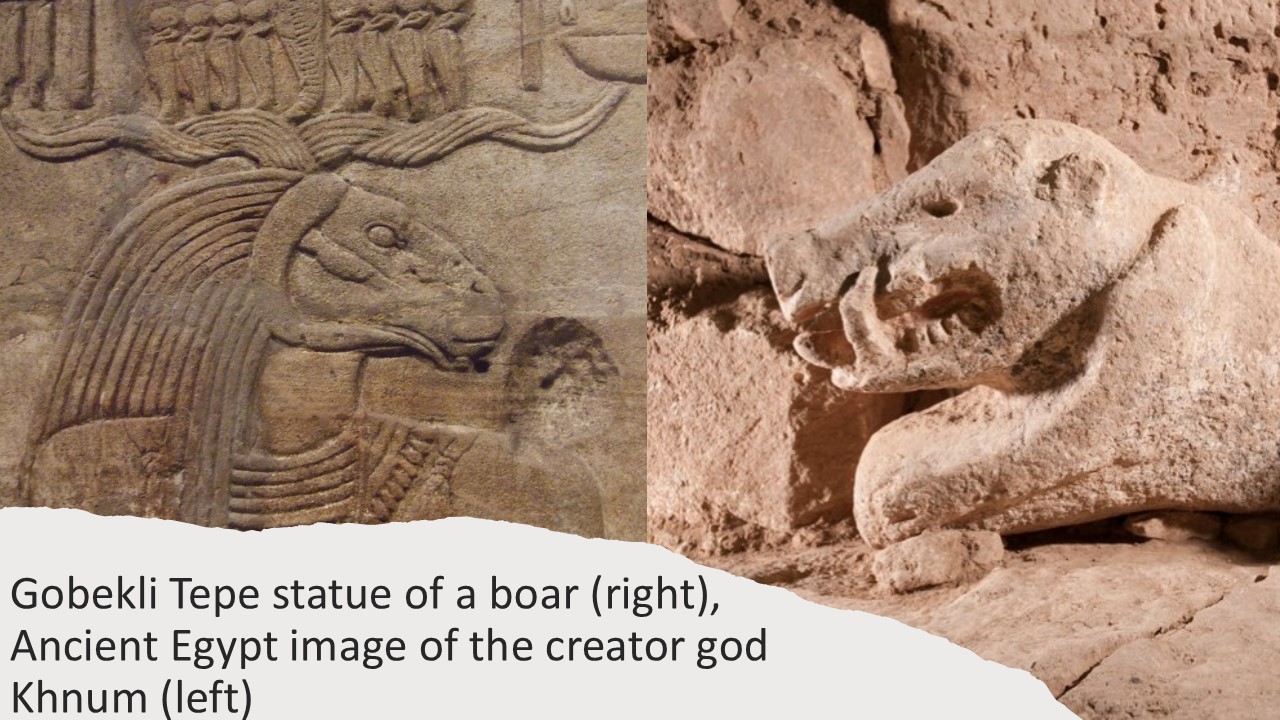
The art of the Ghibli tapestry is rich in animal depictions: foxes, wild boars, vultures, oxen and snakes dominate the reliefs. These wild creatures were likely imbued with symbolic or spiritual meaning, even if we do not yet fully understand their role. Interestingly, many of these animals appear in the symbolic and religious world of ancient Egypt.
In Egypt the bull represented strength, fertility and divine kingship. The serpent, often a cobra, is a symbol of protection and chaos, while the jackal was associated with Anubis and Vivit, the former, the god of mummification and the latter, the “opener of ways”. Birds, especially vultures and falcons, play protective and divine roles. In Egypt, these animals were often anthropomorphized, often depicted as gods in composite forms. In Gobekli Tepe, by contrast, animals appear as they occur in nature, not yet built into a formal pantheon. Also, there are no images of domesticated animals, as there are in ancient Egypt.
Does this suggest that the Gabkali tepees represent an early stage in the development of sacred iconography? A time when wild animals were worshiped in and of themselves rather than as vessels of the divine? Perhaps the temple builders of Egypt inherited this visual vocabulary and developed it into their theocratic cosmology.
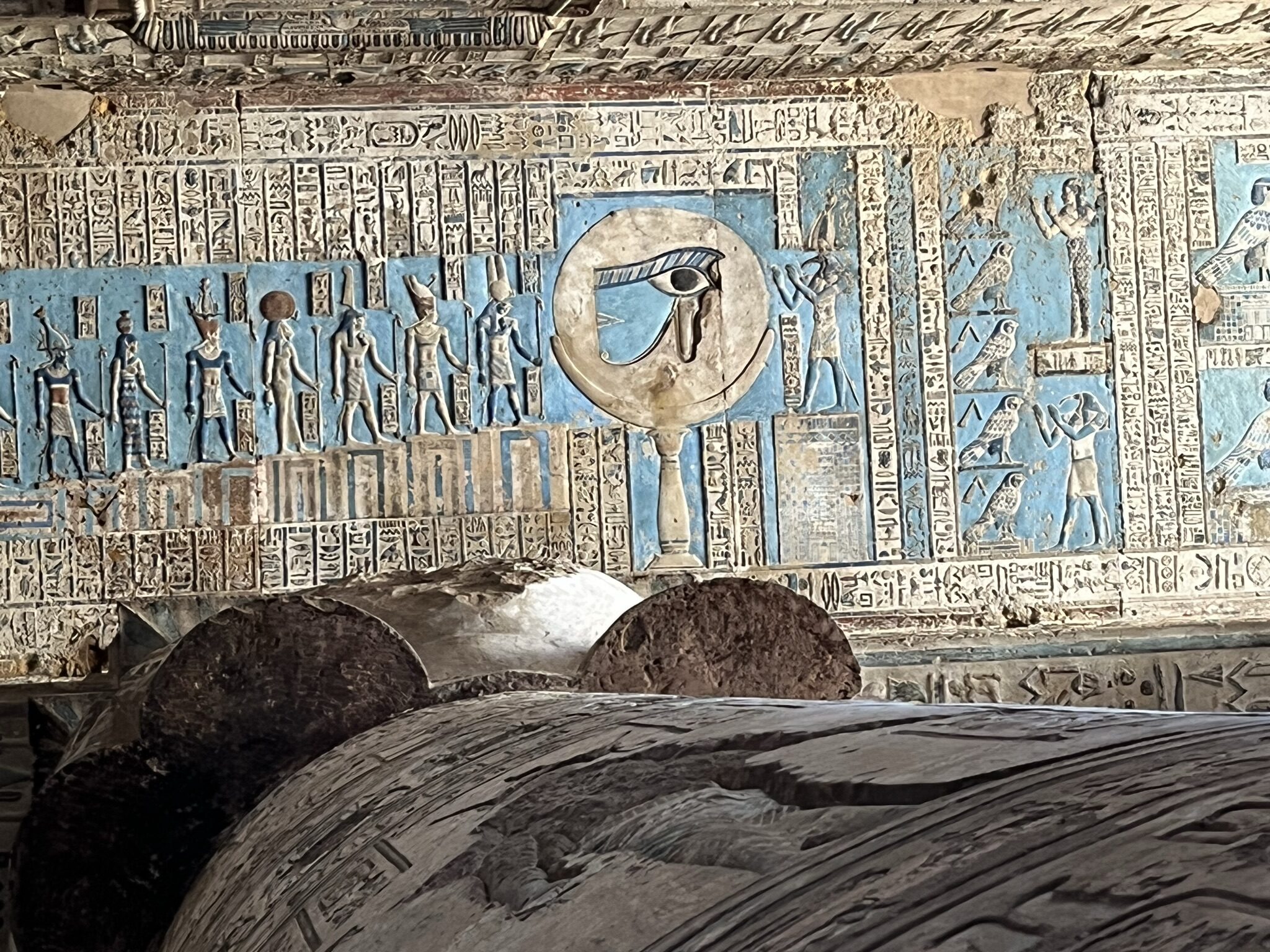
Astronomical Terrace Heather Hathor Temple Dendra c) Laura Ranieri
- Skywatchers and sacred time
Maybe the Ghibli Tap is more than a ceremonial center. Many scholars believe that its circular walls were associated with celestial events such as the solstice and equinox, allowing the ancients to track the rhythms of the sky and gather seasonally for sacred scenes.
Recent findings, including a 2024 study by Dr. Martin Sweetman, show that the site’s builders produced a lunar calendar in stone: 12 lunar months plus 11 extra days, keeping track of the solar year. If true, this would be the oldest known calendar in the world.
Ancient Egypt, thousands of years later, continued this tradition in an improved form. Temples such as Karnak were aligned with solar events, while the heliacal rising of Sirius anchored its 365-day calendar.
Whether in prehistoric Turkey or pharaonic Egypt, we see the same continuity: aligning society with the cosmos and honoring the divine order written in the stars.
- Ancient grain eaters and beer drinkers? Food and early agriculture
Although often classified as a hunter-gatherer site, evidence from Gobekli Tepe suggests that its builders had an agricultural lifestyle. Archaeological remains show that einkorn wheat and wild barley were collected and possibly cultivated. Flint skulls and grinding stones found at the site support the idea that early farming activities began to complement hunting. Based on the evidence of liquids found in large basins – they, like the ancient Egyptians, could enjoy grain alcohol from barley – beer!
Almonds and pistachios – gathered from the local environment – were also part of their diet. In ancient Egypt, these nuts point to a broader pattern of cuisine, selective harvesting, and seasonal planning. In Egypt, grains such as emmer wheat and barley were the basis of daily sustenance and the centerpiece of religious offerings. Thus, both societies centered their lives, rituals, and economies on the bounty of the land, whether wild or cultivated.
Shared human vision, separated by thousands of years
While it’s mind-boggling that early Neolithic man could have achieved such amazing feats – and engaged in such complex rituals 6,000 years earlier than we think – it all makes sense. These were men, who thought, created, worshiped and celebrated, like their successors, the Egyptians thousands of years later.
The builders of the Gebakli Tepe and those of ancient Egypt were separated by more than 6,000 years and a vast geographical distance. Yet, they shared something essential in common: a deep desire to reach the divine, to organize society around sacred architecture and to mirror the heavens on earth. Both civilizations demonstrated an amazing ability to coordinate large-scale building projects, embed symbolic meaning in stone, and imbue life with spiritual purpose.
Although there is no direct lineage between Gobakli Tepe and ancient Egypt, parallels suggest that the seeds of religious architecture, cosmic alignment, sacred symbolism, and even agricultural life were already germinating in humanity’s earliest temple builders. Ancient Egypt would refine and formalize these sentiments into one of the most enduring civilizations in human history.
Perhaps, at Gabkali Tepe, we glimpse the spiritual spark that would later ignite the splendor of pyramids, temples and gods along the Nile.
Join me to explore more of these wonders
I invite you to explore these topics in depth in my richly illustrated online lecture, where we explore the amazing archeology of Gobekli Tepe and powerful comparisons with ancient Egypt.
“Before the Pharaohs: The Gabkali Tapes: The World’s First Temple?
Zoom Lecture – June 19, 2025 at 4pm EDT
Register here: https://www.eventbrite.ca/e/134140656119?aff=oddtdtdtcreator
Don’t miss this opportunity to travel through time and space – from prehistoric Turkey to the temples of ancient Egypt – and discover the deep connections that bind us to our sacred past.
Or travel to Gobekli Tepe with me!
Would you like to join a rare small-group adventure to Eastern and Western Turkey in 2026, including a guided tour of Gibakli Tepe?
Join us September 21 to October 5, 2026 September, Deluxe Anatolian Odyssey Small Group Tour.
Discover full tour details and reserve your spot here: https://ancientegyptalive.com/anatolian-odyssey-deluxe-two-week-small-group-turkey-stour-sptember-21-october-5-2026/